How Fighting in Front of Your Children Affects Them (and What Parents Can Do)
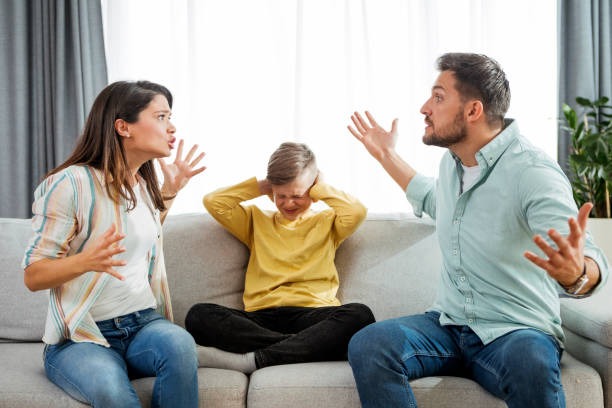
Conflict is part of life. No relationship—romantic, family, or otherwise—gets through without disagreements. But when arguments happen in front of kids, they can land harder than adults expect. Children don’t just overhear conflict; they take it in, and over time it can shape their emotions, behavior, and even what they come to believe about relationships.
The Immediate Impact: What Children Feel in the Moment
When children see their caregivers argue, their bodies react as if something dangerous is happening. Their nervous system goes into high alert, triggering stress hormones like cortisol and adrenaline. This can show up as: A knot in the stomach, Trouble sleeping, Clinginess or fearfulness, or Sudden tears or irritability.
Kids don’t have the emotional vocabulary to say, “This argument is overwhelming me.” Instead, their bodies speak for them. And because children depend on their parents for safety, conflict between those parents can feel like the ground beneath them is shaking.
The Emotional Toll: How Conflict Shapes Their Inner World
Repeated exposure to intense or hostile conflict can chip away at a child’s emotional foundation. Research consistently shows links between parental fighting and Anxiety and chronic worry, Depressive symptoms, Low self-esteem, and Difficulty regulating emotions.
Children often internalize conflict and think “This is my fault.” “Something bad is going to happen.” “Our family isn’t safe.” Even if the argument has nothing to do with them, kids tend to make it about themselves. That’s how their brains are wired.
Behavioral Changes: When Stress Shows Up on the Outside
Not all children respond to conflict the same way. Some withdraw; others act out. Both are signs of emotional overload. You might notice: Increased aggression or defiance, Trouble focusing at school, Regression (bedwetting, tantrums, clinginess), and Avoidance of social situations. These behaviors aren’t “bad behavior.” They’re stress signals.
Long-Term Effects: What They Learn About Love and Conflict
Children learn how relationships work by watching the adults in their lives. When conflict is loud, disrespectful, or unresolved, kids may grow up believing:, Conflict is dangerous, Love is unpredictable, Yelling is normal, Problems don’t get solved—they get louder.
As adults, they may: Avoid conflict entirely, Repeat the same unhealthy patterns, Struggle with communication, and Choose partners who mirror what they saw growing up.
When Conflict Becomes Especially Harmful
Not all disagreements are damaging. What matters is how the conflict happens. The most harmful forms include: Yelling or screaming, Insults, name-calling, or belittling, Stonewalling or silent treatment, Physical aggression, or Arguments that never get resolved. These create an environment that feels unsafe and unpredictable.
The Good News: Repair Matters More Than Perfection
No parent is perfect. Every household has tense moments. What protects children is not the absence of conflict—it’s the presence of repair.
Healthy repair looks like: Apologizing in front of your child, Showing calm, respectful communication, Explaining that the argument wasn’t their fault, and Demonstrating how adults work through disagreements. When children see conflict resolved with kindness and accountability, they learn that relationships can bend without breaking.
How to Talk to Your Child After They Witness a Fight
A simple, grounding conversation can make a world of difference: “You didn’t cause this.” “We’re okay, even though we were upset.” “Adults sometimes disagree, but we work through it.” “You are safe.” This restores their sense of stability.
Final Thoughts:
Fighting in front of children doesn’t make you a bad parent. It makes you a human one. What matters most is awareness, intention, and repair. When kids see adults handle conflict with respect and responsibility, they learn resilience, empathy, and healthy communication—skills that will serve them for a lifetime. If you DON'T talk to your kids about all of this and you continue to fight in front of your kids, remember this: "When you fight in front of your kids, you change who they are." - Dr. Phil. (and he doesn't mean it in a good way!)